Rehearsal space · London & South East
Empty buildings make brilliant rehearsal rooms.
I match vacant commercial space with theatre productions that need room to work — premium-quality rooms that production budgets can say yes to, and genuine, careful occupation for the owners of empty buildings. Ten years in London theatre on one side; property-sector fluency on the other — and me, the conduit between the two.
Here for the theatre side of things — general management, producing, a safe pair of hands? That's this way.
A proper room, in an unexpected place
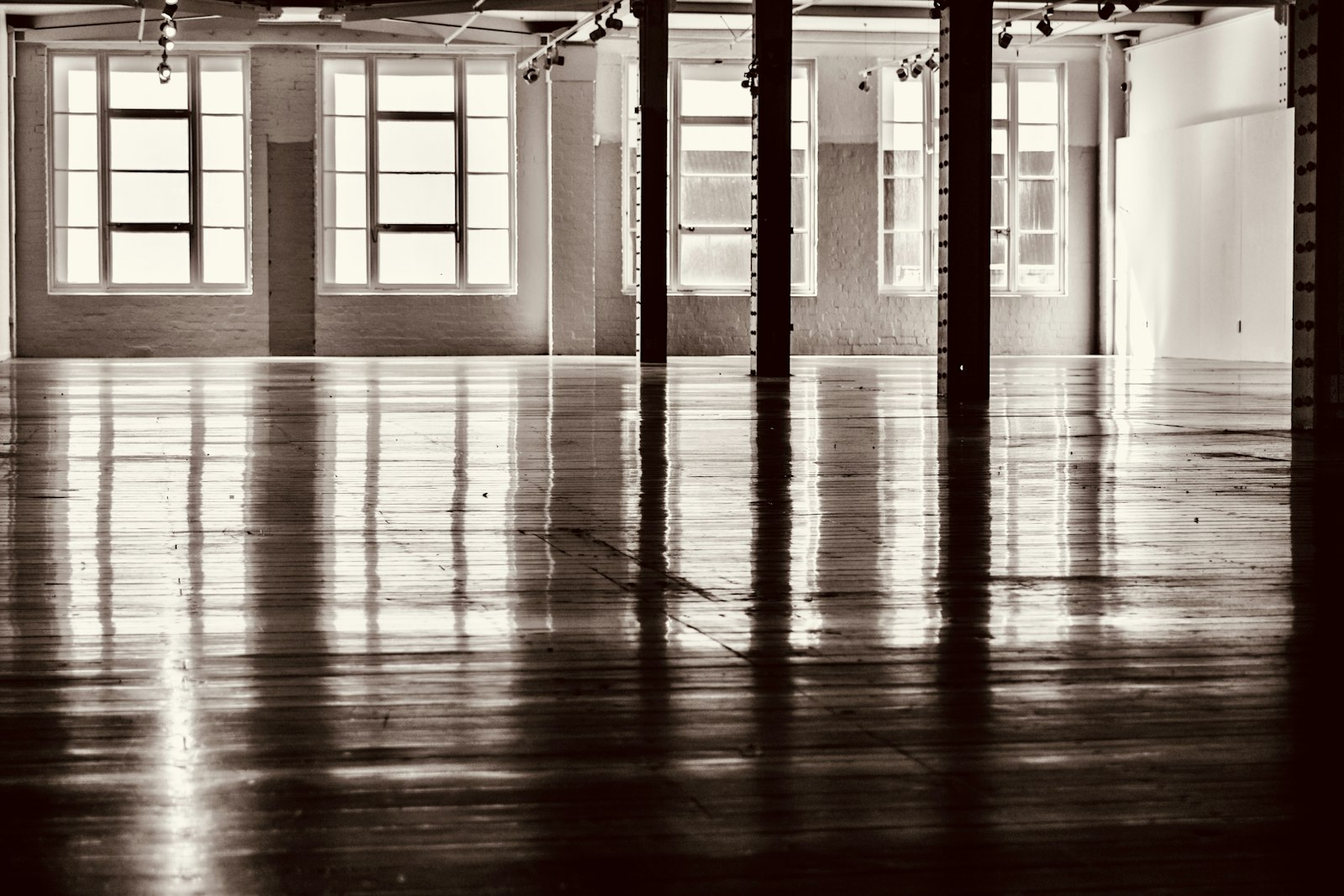
You know what a good rehearsal room costs in London. I find comparable quality in unexpected places — vacant buildings with open space, daylight, and the access a company actually needs. It works because both sides win: the building is better off with a company in it, and the company gets a proper room at a reasonable cost. Good value, in both directions.
- Sourced and vetted by someone who has hired rooms, run tech weeks and knows exactly what to check before you say yes
- The arrangement shaped and the details worked through — you just rehearse
- Space for full rehearsal blocks, workshops, readings and auditions
- Tell me what you need and when — I'll go looking
Genuine occupation for your empty space
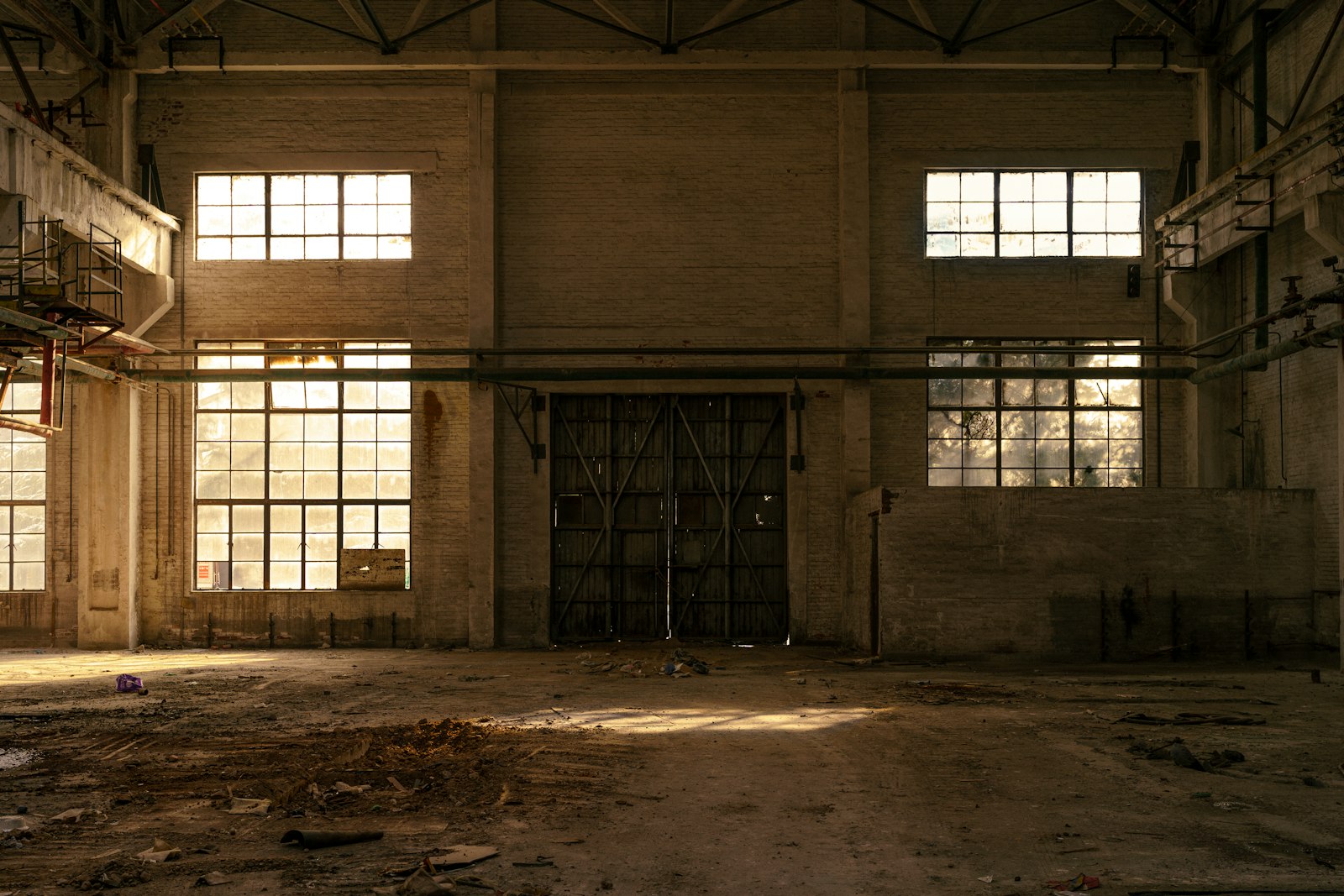
A rehearsing theatre company is the best kind of temporary occupier: professional, insured, in every day, and gone on the date agreed. Active use reduces the cost of holding empty property — and keeps a building warm, watched and cared for.
- Working productions in genuine daily use — the space alive, warm and looked after
- Terms that fit between your building's chapters
- Set up properly: agreement, access and handback condition all squared away
How it works
Simple by design — because the whole point is that you have better things to do.
Brief me
Producers: dates, company size, what the show needs from a room.
Owners: the building, the gap in its diary, what would make occupation worthwhile.
I match & verify
I walk every space before you do, with a theatre person's eye — span, height, floors, daylight, access, loos, kettle. Then I put the right production and the right building in a room together.
You get on with it
Agreements sorted, keys handed over, expectations set on both sides. The company rehearses; the building is occupied and looked after; everyone knows the end date.
Why me, and not a search engine
Because a rehearsal room isn't square footage — it's a working condition. And because most people speak either theatre or property. I speak both.
The theatre decade
Ten years in London theatre — from the Royal Opera House and ATG Productions to international transfers and boutique productions. I've hired the rooms, built the budgets, run the payroll and sat through the production meetings. I know exactly what a company needs from a space, because I've been the one apologising when it wasn't there.
The property fluency
I now work in hospitality and property advisory — asset positioning, planning and Section 106, market intelligence. I understand what an empty building costs its owner, what "meanwhile" really means, and how to structure an occupation both sides can sign without flinching.
This is a growing network, not a warehouse of stock: the best time to talk to me is before you need the room. Start the conversation →
Not looking for a room?
Theatre is where I come from and where a large part of my heart still lives. If what you actually need is a general manager, a production coordinator or someone who genuinely enjoys a contract schedule, I'd love to hear about your show.